
Views: 0 Author: Site Editor Publish Time: 2026-11-10 Origin: Site


The bottles look fine at first. Then inspection reveals overfills and leaking caps.A water filling machine helps you control rinsing, filling, and sealing. Each step needs its own checks.We'll show you how to check sanitation and fill accuracy. You'll also learn to track rejects and saleable output.
Start by following an empty bottle from infeed to the filling valve. New bottles may go through a rinse or another preparation step suited to the line. Returnable containers need a process that accounts for previous use, including washing, sanitizing, and inspection. The preparation method should match the container and your plant's approved procedures.
During a line review, ask what happens when a bottle arrives out of position. Check whether the machine detects the problem and how it handles the affected bottle. Use the same review for format changes, since guides and handling parts may shift.
Ask for a drawing that shows where water flows from the supply connection to each filling nozzle. Use it to locate valves, seals, and drainage points your team will inspect. Pay special attention to parts that are removed, cleaned, or replaced between runs.A clean-in-place (CIP) system circulates cleaning solutions through the equipment it covers. Confirm which parts of the filler it reaches and which areas need manual cleaning. Review the records your system can provide, such as cleaning time, temperature, flow, and detergent concentration. Your quality team can use these records alongside the plant's approved checks before releasing the line.
Follow the open bottle again, this time from rinsing to sealing. A controlled transfer can reduce how often operators need to touch or reposition bottles. Review the cap supply path too, since closures enter the process separately. For each handoff, ask how the line protects prepared bottles and caps until sealing.Check how operators clear a jam or refill the cap feeder. Those routine tasks show where manual access remains necessary. Treated-water quality, sanitation, and packaging controls all contribute to the finished bottle.
note: Include the cap feed and open-bottle transfers when your quality team reviews the sanitation plan.
Fill height tells you how the bottle looks. Measured quantity tells you how much water it contains. If a new bottle has a different shape, the same quantity can reach a different height. Check both measures where shelf appearance and declared contents matter.A flow-metered water filler measures the amount delivered and signals the valve to close at the target. When comparing results, use the same bottle format, production speed, and measurement method. Record the average fill and how much individual bottles vary. A good average can still include individual bottles outside your approved limits.
A bottle can pass the fill check and still fail the closure check. Inspect cap presence and placement, then use the approved package specifications for torque or leak testing. Record closure defects separately from fill defects so the team can see which station needs attention.
For example, a leak that repeats at one capping head points your investigation toward that position. A leak that appears only after a cap change calls for a review of the new format and setup. Record the head or format when you can trace it.
Sample at startup, during steady production, and after a typical stop or bottle change. Keep the results for each stage separate. If the first bottles after restart fail and later samples pass, you can focus on the restart sequence. If the defect continues at normal speed, investigate the settings or equipment involved.
A 3-in-1 water filling machine puts rinsing, filling, and capping in one unit. This reduces transfers between separate machines. A standalone filler can also work well if your existing rinser and capper already meet your quality and output targets. Compare the layouts by following the actual bottle path, including the points where operators need access.
Layout | Where it can help | What to verify |
Standalone filler | Improves the filling step while retaining a working rinser and capper | Handling of open bottles, cleaning responsibilities, and transfer speeds |
Integrated rinse-fill-cap machine | Reduces transfers between bottle preparation, filling, and sealing | Access for cleaning, cap feed, and performance after stops or format changes |
King Machine Co., Ltd. offers integrated rinsing, filling, and capping equipment within its water bottling lines. Its broader offering covers water treatment, labeling, and packing. When reviewing a layout, ask the supplier to mark where bottles remain open and where cleaning access is needed.
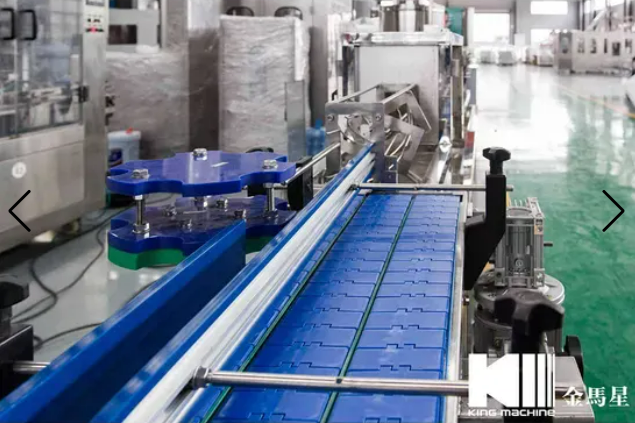
Start with overfill, since even a small difference adds up across a shift. Suppose your line produces 20,000 accepted bottles and average overfill falls from 4 mL to 2 mL. That saves 40 liters of product water across those bottles, provided the fills still meet your approved limits. This is an illustrative calculation. Verify the average fill and accepted bottle count on your line before estimating savings.
Use a few measures together to see where the gain comes from:
Measure | What to record |
Overfill | Average fill above target for the same bottle format |
Fill-related rejects | Underfilled or overfilled bottles rejected during the run |
Closure defects | Missing caps, misapplied caps, and leaks found during inspection |
Cleaning and restart time | Time from stopping for cleaning to producing the first accepted bottle |
Accepted bottles per hour | Accepted output across the agreed production window, including relevant stops |
Compare the same formats and sampling methods before and after an upgrade. If a change reduces overfill but raises the underfill reject rate, review both results before calling it a saving. If quality holds and accepted output rises, use your own water, packaging, and labor costs to estimate the value.
tip: Record cleaning and restart time in both runs so you can compare output across a full shift.
Identify when the defect began. Compare samples from startup, steady production, and the latest restart or format change. Record the time, bottle format, and type of defect so you can compare results against the same operating conditions.
Trace it to a station. For recurring fill defects, check whether the affected bottles came from the same valve position. For repeated leaks, review cap placement and closure checks at the relevant capping head, where traceable.
Follow the plant response for a failed hygiene check. Notify your quality team and follow its procedures for affected product. Use water test results, sanitation records, and container-preparation records to review the production window. The team can then determine what investigation and release checks are required.
Repeat the check after corrective action. Use the original test method and document the result. If the defect appeared after a restart, include another restart in the follow-up check.
This sequence is also useful when a supplier demonstrates a new machine. Ask to see how the controls record a stop, reject, or fault. That will help your operators trace the same issue once the machine is in production.
Record your current fill variation, closure defects, cleaning time, and accepted output. Use representative bottles and caps, including a format that has caused problems. Set pass criteria before running the trial so production and quality teams can judge the same results.
If you are starting a new line, use your agreed production targets and quality limits as the baseline. Specify the product, bottle format, cap, running speed, and test duration. Agree on how startup bottles, minor stops, and rejects will be counted.
Ask for samples from the beginning, middle, and end of the run. Include a restart or changeover if either is part of normal production. Review the sanitation records, measured fill quantities, closure results, and accepted output together before signing off.
Some checks depend on the installed line. For example, the factory can demonstrate fill and closure consistency using your bottles and caps. Your site team can then verify the transfer from the installed rinser, restart behavior, and how the filler works alongside the packer. Record which checks belong to each trial before accepting the equipment.
Review sanitation records, fill quantities, and seals across a normal shift. Include restarts and changeovers in your checks.
Compare overfill, rejects, and accepted output against your baseline. These results show whether your water filling machine reduces waste.
Zhangjiagang King Machine Tech Co., Ltd. offers integrated rinse-fill-cap equipment. It reduces bottle transfers between machines before sealing.
A: A water filling machine can reduce manual handling between bottle preparation and sealing. A 3-in-1 unit also reduces transfers between separate machines. Check which valves and nozzles the clean-in-place system reaches, then confirm which parts still need manual cleaning under your plant's sanitation procedures.
A: A water filling machine can use a flow meter to control how much water enters each bottle. Check actual fill quantity alongside visible fill height. Inspect cap placement and test for leaks separately. Compare samples from startup, steady production, and changeovers to see whether fills and seals stay within specification.
A: A water filling machine can reduce waste by limiting overfill while keeping bottles within approved fill limits. For example, reducing average overfill by 2 mL across 20,000 accepted bottles saves 40 liters of water. Track fill and closure rejects too, since discarded bottles and caps also affect operating costs.
A: Check whether defects appear only during restart or continue at normal speed. See if underfills or leaks repeat at a particular filling valve or capping head. Review the setup for the new bottle and cap, then repeat the same fill or leak test after correcting the issue.


