
Views: 0 Author: Site Editor Publish Time: 2025-06-07 Origin: Site


Choosing the right liquid filling machine is crucial for your production line's success. Did you know that the wrong machine can lead to inefficiencies, inconsistent fills, and increased errors?The right filling machine can improve production efficiency, maintain product consistency, and reduce costs. Whether you’re in pharmaceuticals, food and beverages, or cosmetics, selecting the right equipment is essential.
In this post, we’ll explore the key factors to consider when purchasing a liquid filling machine. You’ll learn how to make the best choice based on your product, container, and production needs.
A liquid filling machine is used to package liquid products into containers. These machines are essential for industries like food, pharmaceuticals, and cosmetics, where consistency and efficiency are key. The machine works by dispensing a precise amount of liquid into bottles, vials, or other containers. The main goal is to ensure that the liquid is filled accurately and safely, reducing human error and speeding up production.
There are several types of liquid filling machines, each designed for specific applications:
● Gravity Fillers: These machines use gravity to fill containers with low-viscosity liquids like water or juice. They are simple, cost-effective, and ideal for products that flow easily.
● Piston Fillers: These are used for thicker liquids, such as creams or sauces. A piston draws the liquid and dispenses it into the container. They provide high accuracy and are great for products with varying viscosity.
● Overflow Fillers: Typically used for clear liquids, these machines fill containers until they overflow, ensuring consistent fill levels. They are often used for beverages or products where appearance matters.
● Vacuum Fillers: These machines are best for foamy liquids or carbonated products like beer or soda. The vacuum reduces foam and preserves carbonation during the filling process.
Each type of machine has its benefits based on product characteristics like viscosity, foam potential, and particulates.
When choosing a filling machine, understanding your product is crucial. Here are some key characteristics to consider:
● Viscosity: Thicker liquids need machines like piston fillers or pump fillers, while thin liquids can be handled by gravity or overflow machines.
● Foam Potential: If your product is foamy, you'll need a machine that can minimize foam, like vacuum fillers.
● Particulate Size: Products with fruit pulp or particles require machines that can handle solids, like piston fillers with specific valves.
● Density and Causticity: These factors influence the materials used in the machine and the type of filler required.
The type of container plays a big role in machine selection. Consider these factors:
● Shape and Material: Plastic, glass, and metal containers each require different handling mechanisms. For instance, glass bottles are more fragile, so they need gentle handling.
● Size: Machines must be able to accommodate various container sizes, from small vials to large tanks. Some machines offer flexibility with adjustable settings for different container sizes.
The volume of production will dictate the type of machine you need:
● High-Volume Production: Automatic machines are ideal for filling large quantities of containers in a short time.
● Low-Volume Production: Semi-automatic or manual systems work better for smaller-scale production.
● Speed and Throughput: Machines vary in speed, so consider how fast you need to fill containers to meet production goals.
Accurate filling is essential to maintain consistency and quality:
● Volumetric vs. Level Fills: Some machines fill to an exact volume, while others fill to a certain level. The choice depends on your product's needs.
● Impact on Consistency: High accuracy ensures that each container is filled correctly, reducing product waste and improving brand reliability.
For industries like food and pharmaceuticals, hygiene is critical:
● FDA Compliance: The machine must meet strict sanitary standards to avoid contamination.
● Clean-in-Place (CIP) Systems: Machines with CIP systems allow for easy cleaning without disassembling the entire unit.
● Easy-to-Disassemble Designs: Machines with simple designs are easier to clean and maintain, which improves product safety and reduces downtime.
Automation plays a significant role in efficiency:
● Manual vs. Semi-Automatic vs. Fully Automatic: Automatic machines reduce human labor and increase consistency. However, they are more expensive upfront.
● Scalability: Choose a machine that can scale with your production needs. This ensures that your investment will support growth in the future.
Consider long-term maintenance when selecting a machine:
● Durability: High-quality machines last longer and withstand continuous operation.
● Maintenance Needs: Machines that are easy to maintain and repair will help keep operational costs down.
Choosing the right liquid filling machine requires careful consideration of your product, production needs, and budget. Each factor plays a vital role in ensuring that your machine fits your business for the long term.
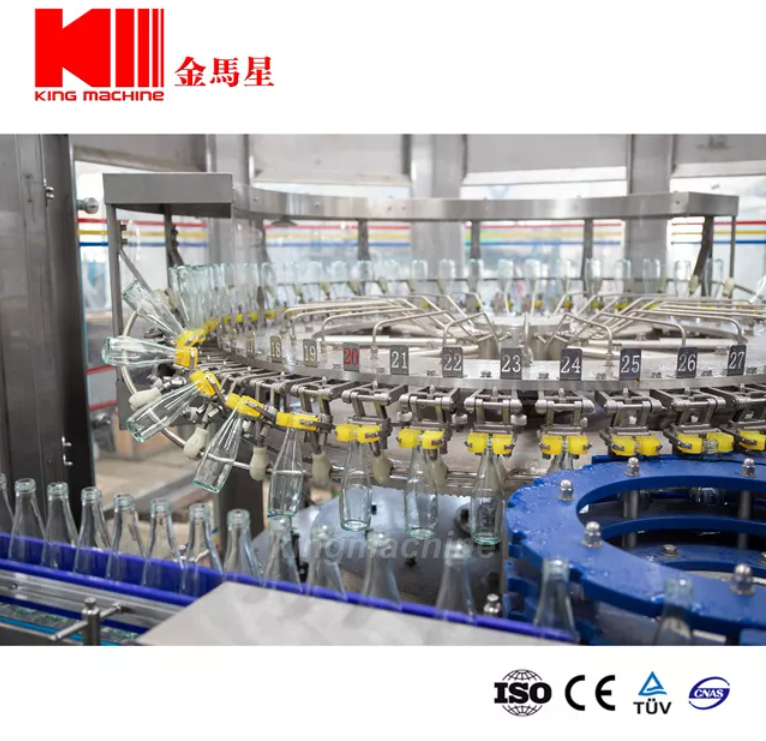
Understanding your product is the first step in choosing the right liquid filling machine.
● Viscosity: Is your liquid thin, like water, or thick, like honey? Thicker liquids need machines that can handle higher resistance, like piston fillers.
● Foaming Tendencies: Does your product foam easily? For foamy liquids, you’ll need a vacuum filler to reduce foam during the filling process.
● Container Shape: The shape of your container matters. Bottles that are oddly shaped might need a machine with adjustable settings to fit them correctly.
Additionally, think about future production needs. Are you planning to increase production in the future? Make sure the machine you choose can scale with your business.
Next, you need to consider the volume of product you plan to fill:
● Production Volume: Calculate how many containers you need to fill per hour or day. For high-volume production, fully automatic machines are best, as they offer faster speeds and higher consistency.
● Machine Speed: Match the speed of the machine to your production goals. For example, if you need to fill thousands of bottles per day, choose an automatic system that can handle high-speed filling.
Production Need | Machine Type | Speed |
Small-scale production | Semi-automatic | Moderate speed |
Medium-scale production | Automatic (single-head) | High speed |
High-volume production | Fully automatic | Very high speed |
Choosing the right machine requires expertise. Consult with experienced manufacturers to make an informed decision. Here’s how:
● Test Run: Provide product samples to the manufacturer. They can conduct a test run to determine if the machine fills your containers correctly, with the right speed and accuracy.
● Evaluate Vendor Services: Ask about after-sales support. Will the vendor provide training, maintenance, and spare parts when necessary?
This can help ensure you’re making the right choice for both your immediate and future needs.
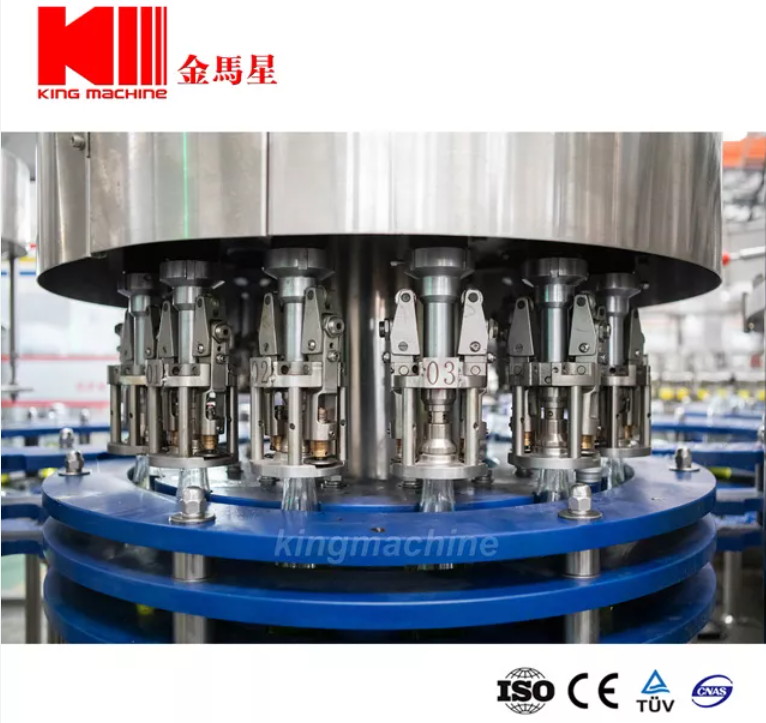
One of the biggest mistakes businesses make is underestimating future growth. When purchasing a liquid filling machine, it’s essential to think long-term. Here’s why:
● Scalability: As your business grows, so will your production needs. A machine that works for you today might not be suitable for tomorrow if it can't handle increased volume.
● Product Line Changes: Changes in product lines or packaging can affect your filling machine. Choose equipment that can be easily adjusted or upgraded as your needs evolve.
Planning for future growth now can save you from costly replacements or upgrades down the road.
The total cost of ownership (TCO) is a crucial factor, but often overlooked. TCO includes more than just the upfront cost:
● Upfront Costs: These are the initial costs for purchasing the machine, but they aren’t the whole picture.
● Maintenance and Operational Costs: Machines require maintenance, and repairs can add up over time. In addition, operational costs like energy consumption can affect your bottom line.
Ignoring hidden costs can lead to unexpected expenses, impacting your profitability.
Cost Factor | Considerations |
Upfront Costs | Initial purchase price of the machine |
Maintenance | Regular maintenance and repair costs |
Operational Costs | Energy usage, labor, and downtime |
It’s tempting to buy the cheapest machine, but price should not be the only factor in your decision:
● Long-Term Reliability: The cheapest machine may not last as long or perform as well over time.
● Precision and Performance: Low-cost machines might compromise on precision and performance, leading to product inconsistencies.
Consider balancing price with factors like reliability, performance, and future costs. Investing in quality now can save money in the long run.
When purchasing a liquid filling machine, consider key factors like product characteristics, container size, and automation level. Choose a machine that meets both your current and future production needs. Don’t forget to consult with vendors and conduct test runs to ensure the perfect fit for your production line.
A: Consider your product's viscosity, foam potential, and container shape. Machines like piston fillers work for thick liquids, while gravity fillers are best for thin liquids.
A: Gravity filling uses gravity to fill containers with thin liquids. Piston filling uses a piston to precisely fill thicker liquids.
A: Regularly clean the machine, inspect for wear and tear, and follow the manufacturer’s maintenance schedule to prevent issues.
A: Yes, but you'll need different types of fillers. Gravity fillers work for thin liquids, while piston fillers are better for thick liquids.


