A PET beverage project can lose time and control at the points where empty bottles move between separate machines. Combiblock Machines bring bottle blowing, filling, and capping into a coordinated process, so the bottle can move from preform to closed package with fewer transfers. That does not make an integrated layout right for every plant. The value depends on the beverage, target output, site constraints, utilities, changeover needs, and maintenance readiness. This article explains the operating benefits, the trade-offs behind them, and the questions that should shape an investment decision.
Key Takeaways
- An integrated line can reduce empty-bottle handling and the space devoted to transfers between standalone machines.
- The strongest case is usually a stable PET beverage program with a clear production target and limited floor area.
- Efficiency should be evaluated across the full line, including changeovers, sanitation, utilities, downstream packaging, and planned maintenance.
- Integrated equipment concentrates controls and interfaces, so commissioning discipline and operator training matter as much as rated speed.
What changes when bottle blowing, filling, and capping are integrated?
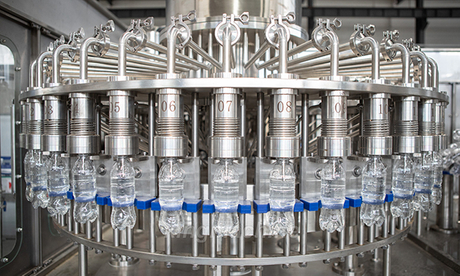
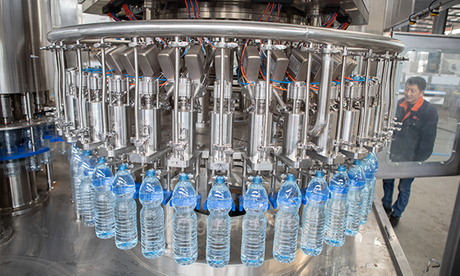
In a conventional PET beverage line, preforms are converted to empty bottles, then bottles travel through handling equipment before entering the filler and capper. Each handoff adds guide rails, conveyors, timing devices, cleaning points, and coordination work. A blowing-filling-capping machine places these core stages in one production architecture. The bottle is formed, transferred over a short controlled path, filled, capped, and discharged to the next process.
That layout is the practical meaning of an integrated PET bottling system. It is not simply three machines positioned close together. The controls, mechanical timing, bottle path, product handling, and cap handling must operate as a linked sequence. A disturbance in one stage can therefore affect the others more directly than in a long, decoupled line.For beverage producers, the question is not only “How many bottles per hour?” It is “How many acceptable, capped bottles reach packaging during a normal production shift, with realistic stops and product changes?” That broader view is where integration can create value.
Where Combiblock Machines can improve beverage production efficiency
Less empty-bottle travel
Freshly formed PET bottles are lightweight and susceptible to instability when their route is long or poorly adjusted. Reducing the distance between blowing and filling removes a portion of the empty-bottle conveying task. Fewer transfer points can mean fewer places where bottles tip, bunch, scuff, or lose timing. The operational gain is not guaranteed by the equipment category alone; it depends on bottle design, neck handling, line setup, and the condition of guides and transfers. Still, a shorter route gives the engineering team fewer interfaces to manage.
A smaller process footprint
Floor space is more than a real-estate issue. Long conveyor runs affect access, cleaning, utilities, and future layout changes. Combining core stages can free the central production area for treatment, inspection, labeling, or packaging. It can also simplify the path from preform storage to finished product. Before treating footprint reduction as a benefit, draw the real layout: include operator walkways, service clearances, chemical and air connections, cap supply, rejected-bottle handling, and access to downstream equipment. A compact machine with poor service access is not an efficient plant.
Fewer exposed transfers
Every open transfer between machines creates a location that needs to be kept clean, adjusted, and observed. A more direct bottle path can support a controlled production environment and reduce unnecessary handling before the container is closed. Hygiene outcomes still depend on the beverage process, cleaning design, validation, utilities, and the plant’s procedures. It is more accurate to view integration as a way to reduce handling complexity, not as a substitute for a sound sanitation program.
A decision framework: when is an integrated bottling system a good fit?
| Plant condition | Why it matters | What to check |
|---|---|---|
| Stable PET bottle program | Integration is easier to justify when formats and outputs are planned rather than constantly changing. | Current and expected bottle sizes, neck finishes, cap types, and changeover frequency. |
| Restricted floor area | Removing long empty-bottle routes may simplify the layout. | Service space, future additions, operator access, and the route to labeling and packing. |
| High cost of line interruptions | Linked stages can reduce transfer-related issues, but stoppages must be diagnosed quickly. | Alarm strategy, spare parts plan, support arrangements, and operator responsibilities. |
| Product-specific filling needs | Water, juice, carbonated drinks, and other beverages impose different process requirements. | Filling method, cleaning approach, temperature requirements, product return, and validation needs. |
| Available utilities | Blowing and filling both rely on dependable supporting systems. | Compressed air quality and capacity, water, electricity, drainage, and CIP interfaces. |
King Machine Co., Ltd. presents rotary blowing-filling-capping equipment for PET bottles and beverage applications. That product context makes a combiblock worth assessing where a producer wants the bottle-making and filling stages to operate as a coordinated block rather than as separate islands. The production concept should still be designed around the beverage and the complete site, not around a machine label.
Benefits that need an operating plan behind them
Integration can reduce component count between the core stages, but it also changes the maintenance model. In a separated line, a team may isolate one module while another continues under limited conditions. In a combiblock, the interdependence is tighter. Maintenance planning should identify which jobs require a full stop, which settings are product-specific, and which inspections prevent a small problem from spreading through the sequence.
Commissioning is equally important. The project team should agree on bottle samples, preform specifications, caps, beverages, operating conditions, acceptance criteria, utility conditions, and the responsibility for interfaces with upstream treatment and downstream packaging. The goal is not merely to see bottles exit the capper. It is to establish repeatable operation, reliable cleaning, sensible alarms, documented settings, and a clear response when production drifts.
For a water line, the integration conversation often centers on speed, bottle stability, air use, and sanitation. For juice or other sensitive beverages, it must also cover product temperature, filling technology, cleaning steps, and how product is managed during interruptions. Carbonated products introduce additional filling and pressure considerations. The right design review separates those product requirements before comparing equipment configurations.
How to measure the real economic case
A useful comparison does not start with a single purchase figure. List the full system boundary for both options: preform feeding, blowing, empty-bottle conveying, filling, capping, controls, utilities, installation, guards, sanitation provisions, inspection, labeling, packing interfaces, and planned spare parts. Then compare the operational consequences over the period that matters to the business.
For example, a producer can track planned output, actual good output, unplanned downtime by cause, changeover time, rejected bottles, utility use per production run, maintenance hours, and cleaning time. The precise calculation will vary by plant, but the logic is straightforward: annual operating effect equals the change in usable output plus the change in avoided operating cost minus the change in added operating cost. A rating on a brochure cannot replace production data from the intended bottle, beverage, and working pattern.
King Machine should be included early in a technical discussion when the project requires a combiblock configuration, but the commercial comparison should request a defined scope. It should make clear what is included at the machine boundary, what the purchaser must provide, and what information is still needed to confirm the final process design.
Prepare the plant for an integrated line
Many projects focus on the machine and postpone site readiness. That approach creates avoidable risk because a combiblock depends on conditions outside its enclosure. Before installation, the plant should establish where preforms enter, how caps are stored and presented, where operators can work safely, and how finished bottles leave the machine. The plan should include air, electricity, water, drainage, product supply, cleaning connections, ventilation where applicable, and the pathway for maintenance access. A design that looks compact in a two-dimensional drawing can become difficult to operate if these supporting details are left to the installation phase.
Utilities deserve an explicit review. Bottle blowing relies on a reliable compressed-air system, while filling conditions depend on the product and process. Electrical supply must be sized and protected for the installed equipment, and drainage must support normal operation and cleaning. Rather than accepting a generic utilities list, reconcile the proposed requirements with the conditions that are actually available at the site. If equipment will be installed in a region with local electrical, safety, or hygiene requirements, identify those requirements early and confirm how responsibility for compliance will be managed.
People are also part of the readiness plan. Assign responsibilities for production, quality, maintenance, utilities, and project coordination before the start-up date. Each role should understand what information it needs from the supplier and what it must provide to the rest of the team. Operators need access to standard operating procedures and a practical escalation path. Maintenance staff need drawings, recommended inspections, and a list of components that must be stocked or ordered in advance. Quality staff need a defined method for checking bottle condition, fill performance, closure condition, and any required documentation.
Finally, plan the first several production runs as learning runs. Record the bottle and cap used, beverage conditions, line settings, observed losses, quality results, and actions taken. This record becomes the starting point for stable recipes and realistic preventive maintenance. It also prevents undocumented “quick fixes” from becoming the only way a particular format can run. A well-prepared plant does not expect integration to remove all adjustment; it creates a repeatable method for making and verifying adjustments.
In addition, include an acceptance review after the line has operated through normal stops and restarts, not only during a smooth demonstration run. Confirm that operators can access routine checks, that the planned cleaning sequence is practical, and that production, quality, and maintenance use the same definitions for a satisfactory bottle. These checks help the site convert the installed configuration into a sustainable operating routine.
Document the acceptance conditions in advance. They should address the intended bottle and cap, the relevant product conditions, the observations to be made, the agreed operating procedure, and how exceptions will be recorded. A transparent record makes it easier to separate an equipment concern from a site readiness issue, and it gives future teams a reliable baseline for repeat formats.
A clear handover should include more than a performance observation. The plant should receive the approved layout, interfaces, operating instructions, training records, format documentation, and a list of open actions with owners and dates. This information allows the operating team to preserve the condition that was established at commissioning and gives managers a practical basis for later changes or expansion decisions.
Conclusion
Combiblock Machines can make beverage production more compact and more coordinated by shortening the path between bottle formation, filling, and capping. Their biggest contribution is often not a headline performance claim; it is the reduction of avoidable handoffs and the clearer control of a critical production sequence. They suit PET projects that have stable requirements, adequate utilities, a disciplined maintenance approach, and a layout that benefits from integration. Evaluate the complete line, specify the beverage and packaging conditions precisely, and use the decision framework to distinguish a productive integration from a merely compact installation.
FAQs
What are Combiblock Machines used for?
They are used in PET beverage production to combine bottle blowing, filling, and capping in an integrated process. The applicable product and filling process must be matched to the equipment configuration.
Do integrated systems always save floor space?
They often reduce the empty-bottle conveyor route, but the actual footprint must include service access, utilities, cap handling, safety guarding, and downstream equipment. A layout drawing is the right basis for comparison.
Are combiblocks suitable for more than bottled water?
The suitability depends on the filling technology and beverage process. Project reviews should address product characteristics, cleaning needs, temperature conditions, and packaging requirements before a configuration is selected.
What information should be prepared for a combiblock quotation?
Provide bottle drawings or samples, preform and cap details, beverage type, target output, product temperatures where relevant, utility information, site layout, and the required downstream connection points.
What is the main maintenance consideration?
Because the stages are linked, teams should plan preventive inspections, keep critical spares available, record format settings, and train operators to distinguish a blowing, filling, capping, or transfer-related alarm.